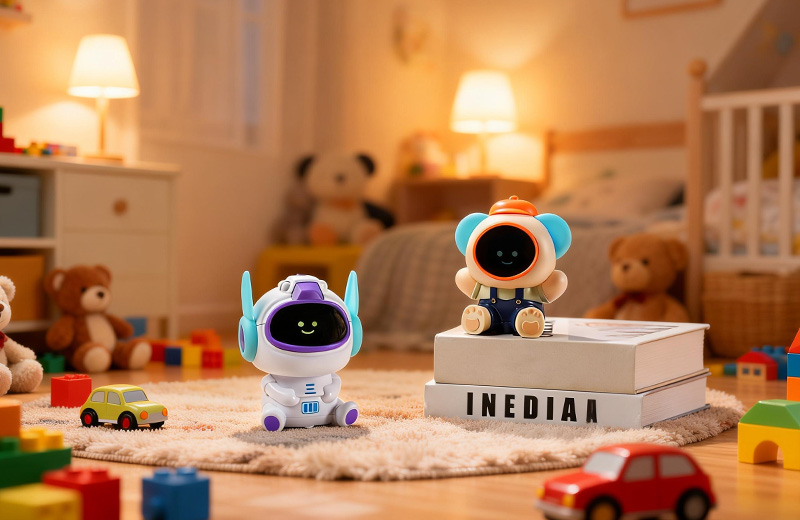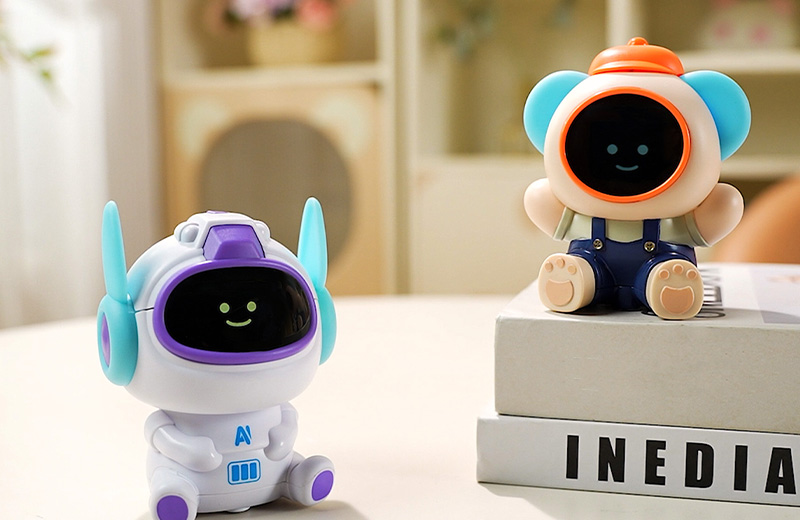



As AI robots begin to enter the world of toys, sensory play is quietly shifting from something that merely “stimulates” children to something that actively responds to them, learns from them, and evolves with them, which fundamentally changes how early play supports learning and imagination.
Sensory Science: From Passive Stimulation to Meaningful Experience
Between the ages of three and eight, children are not simply absorbing information like sponges; they are constantly testing cause and effect, forming emotional associations, and using their senses to understand how the world reacts to them. Sensory play works best when multiple senses are engaged together, and when children feel that their actions actually matter.
Traditional sensory toys are usually designed around a single response logic: press a button and a sound plays, squeeze a toy and it lights up, shake it and something rattles. These interactions are predictable, which makes them safe and comforting, but also limits how much cognitive and emotional engagement they can sustain over time.
What sensory science tells us is that children stay engaged longer when feedback feels contextual and slightly variable, because their brains are wired to pay attention to patterns that are not entirely fixed. This is exactly where AI-enabled toys begin to show their value, not by overwhelming children with technology, but by introducing subtle changes in response that keep curiosity alive.
Sensory Science Meets AI Interaction
AI robots bring something new to sensory play by connecting perception, interpretation, and response into a single loop, rather than treating sound, light, and touch as isolated features. When a toy can listen, observe, and react differently depending on what the child is doing, sensory input starts to feel more like a conversation than a trigger.
For example, instead of always producing the same sound or light effect, an AI robot can respond differently based on tone of voice, frequency of interaction, or even the object a child is pointing at or scanning. This transforms sensory play into a dynamic experience, where children are not just reacting to stimuli but actively shaping the interaction through their behavior.
The key difference here is not intelligence in the adult sense, but responsiveness in the child’s world, because from a child’s perspective, a toy that notices, remembers, and reacts feels more alive, more personal, and more worth engaging with repeatedly.
Real-World Examples: How AI Changes Sensory Play in Practice
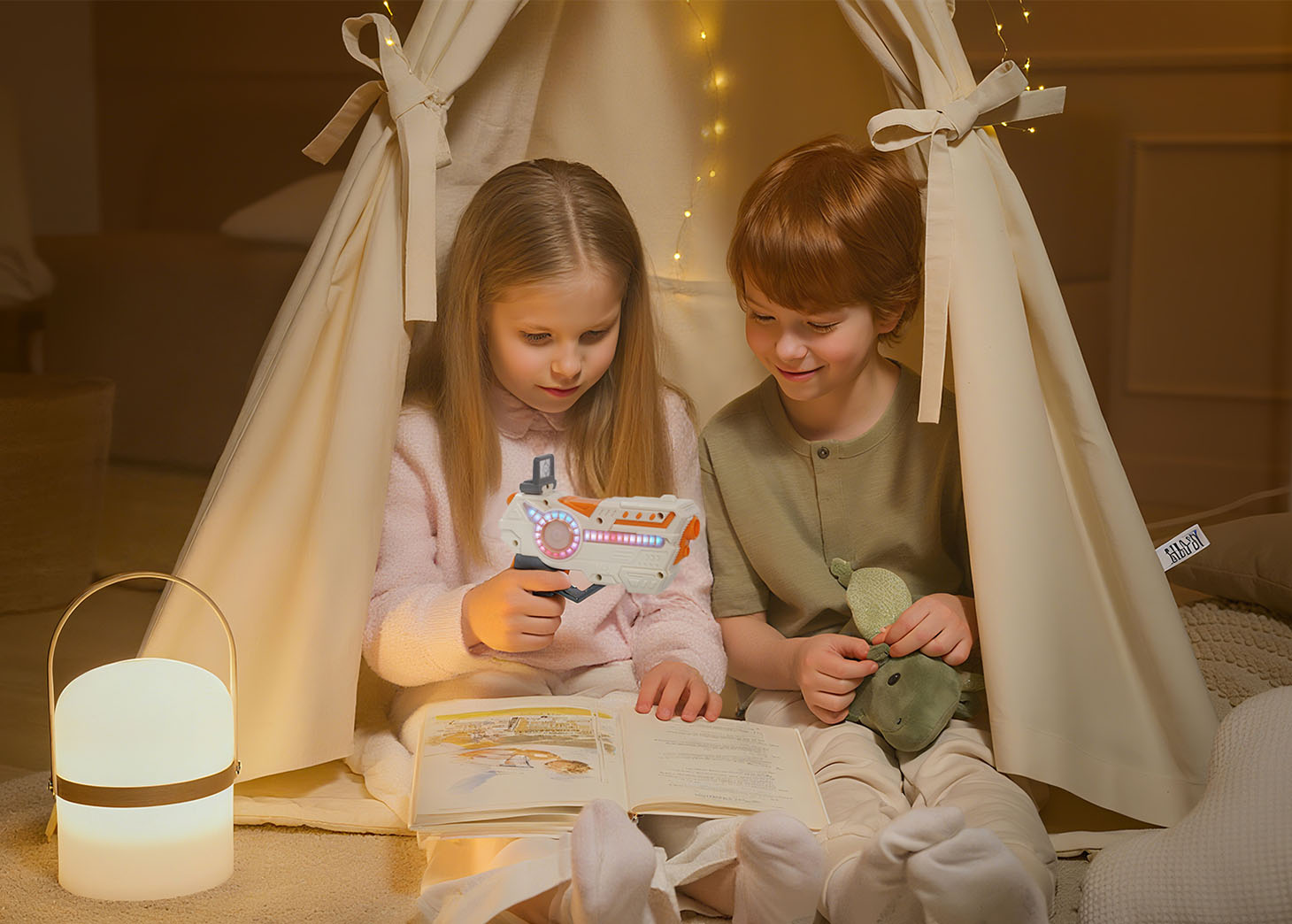
In practice, AI-enhanced sensory play often shows up in small, almost invisible ways that feel natural rather than futuristic. A child might point a toy at an object and hear a short explanation, followed by a story, a sound effect, or a playful challenge, which combines visual recognition, auditory feedback, and imagination into one experience instead of separating them.
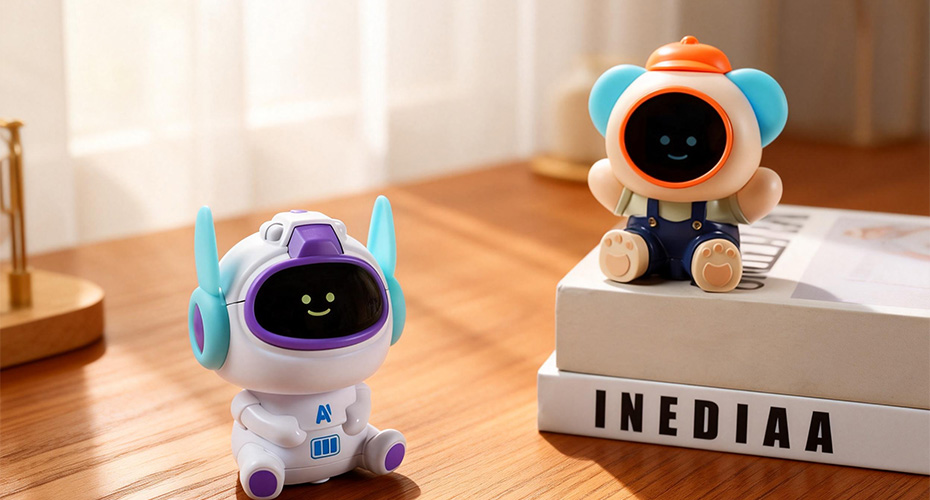
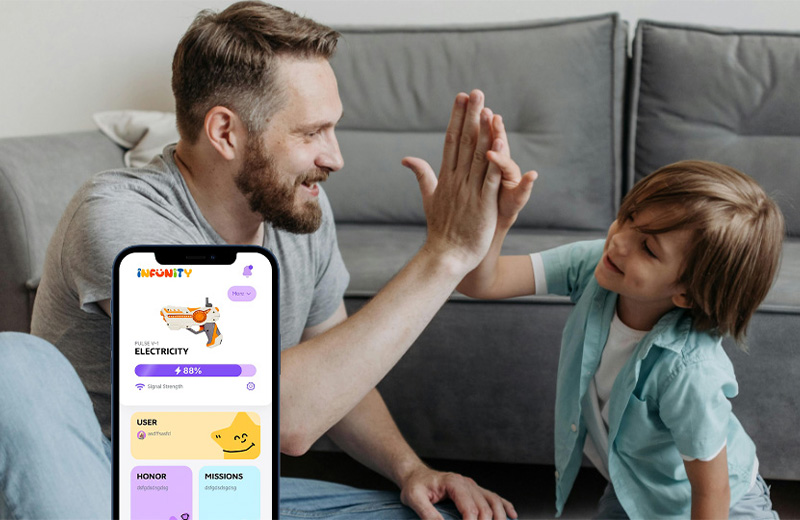
Some AI toys, such as interactive products developed by companies like INFUNITY , take this idea further by blending sensory feedback with narrative and role-play, allowing children to shift seamlessly between physical play, language learning, and exploratory questioning without feeling like they have entered a “learning mode.”
What makes these examples interesting is not the complexity of the technology, but how naturally it fits into the child’s existing play patterns. The toy does not demand attention or force instructions; instead, it responds when invited, adapts when engaged, and fades into the background when the child’s focus shifts elsewhere.
Design Principles: What Actually Makes AI Sensory Play Work
Designing effective AI-driven sensory toys is less about adding more features and more about respecting how children naturally explore the world. The most successful designs follow a few core principles that keep technology supportive rather than distracting.
First, sensory feedback must always feel immediate and intuitive, because children should never need to wonder whether they “used the toy correctly.” Second, AI interaction should encourage exploration rather than reward repetition, offering slightly different responses that invite curiosity without creating confusion. Third, emotional tone matters as much as functionality, since a warm voice, playful timing, and gentle prompts can make a toy feel like a companion rather than a device.
Finally, good AI sensory toys understand restraint, knowing when to speak and when to stay silent, because meaningful play often happens in the space between interactions, where imagination fills the gaps that technology deliberately leaves open.
A Quiet Shift with Long-Term Impact
AI robots are not redefining early sensory play by replacing traditional toys or overwhelming children with screens and data, but by quietly enhancing the way children experience cause and effect, attention, and emotional feedback through play. When designed thoughtfully, these toys act less like machines and more like responsive environments that grow with the child’s curiosity.
As companies like INFUNITY continue to explore this space, the real opportunity lies not in making toys smarter for the sake of technology, but in making play more meaningful, more adaptive, and more closely aligned with how children naturally learn through their senses, their emotions, and their imagination.
 Recommended for You