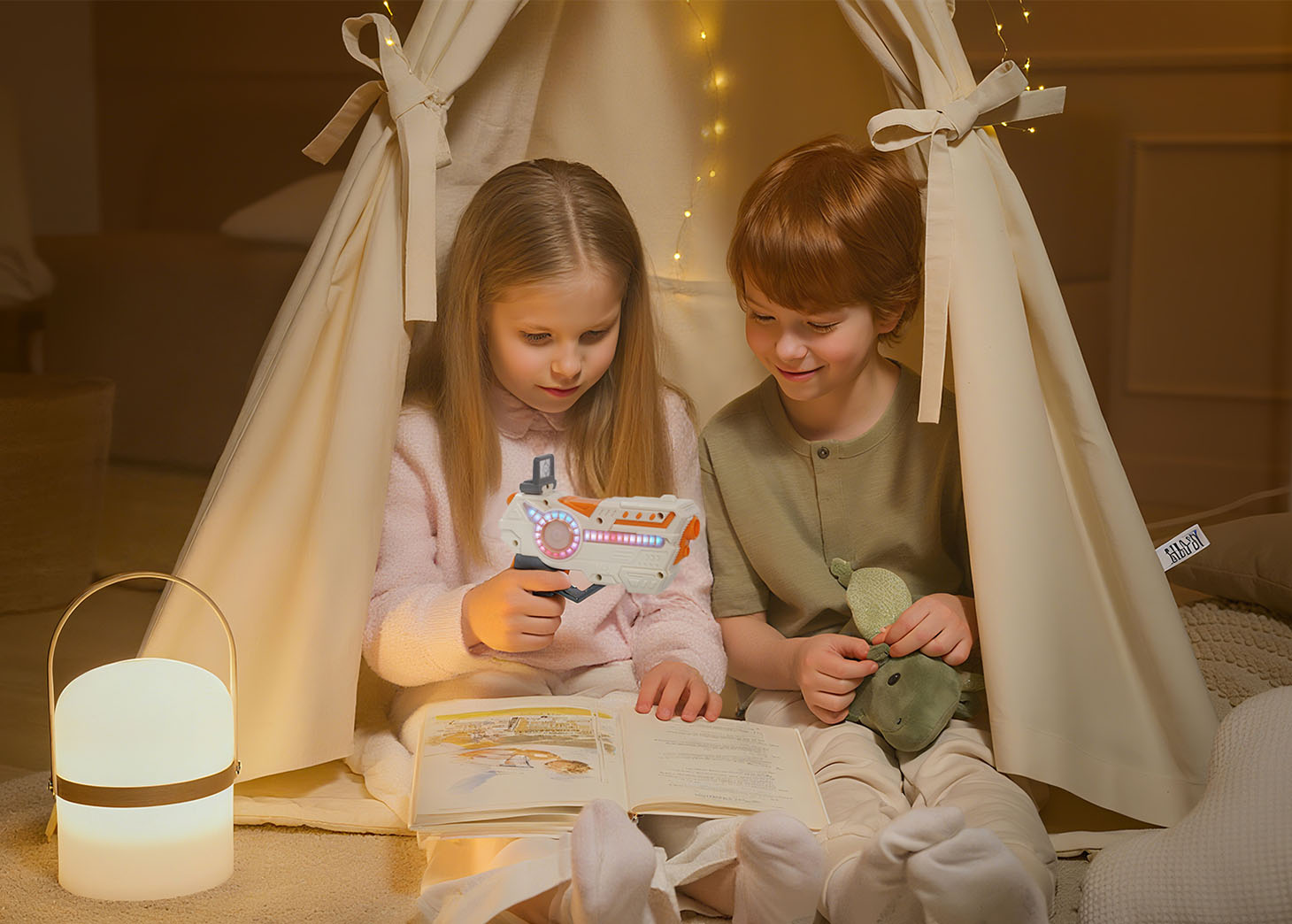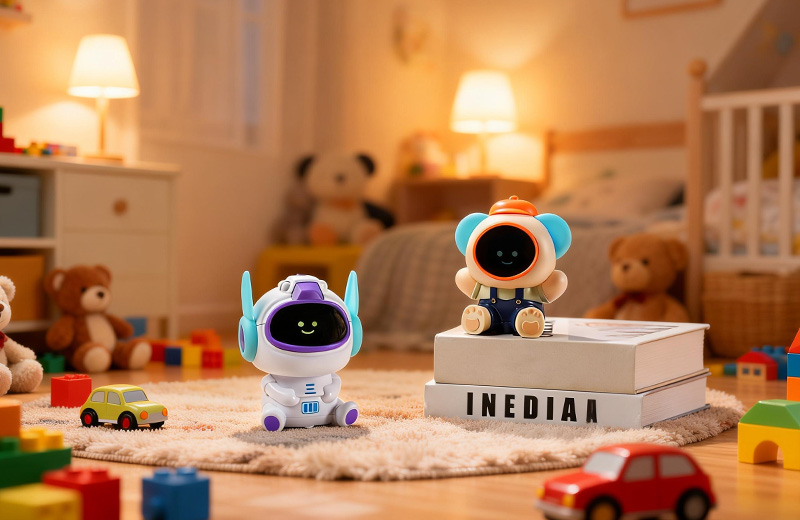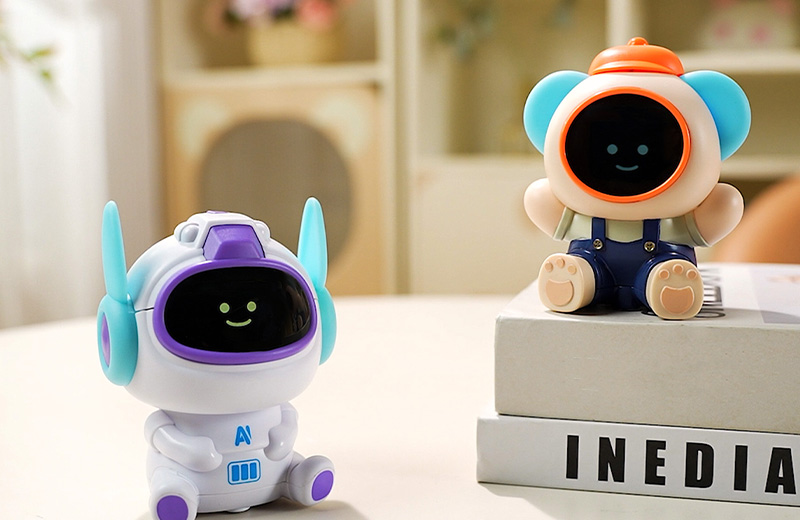


When people hear about an AI robot toy, they often imagine a machine packed with chips and code, almost like a tiny scientist hiding inside a plastic shell. What they don’t always see is something much simpler and more human: most of what an AI robot toy becomes is shaped by children’s daily interaction. It does not just run on algorithms. It grows through conversation, repetition, emotion, and small everyday moments.
Let’s break this down in a way that feels less technical and more real, because at its core, the learning process of an AI robot toy follows a very human rhythm: data input, memory building, and personalization.
First comes data input, and this part happens quietly. Every time a child talks to the AI robot toy, asks a question, scans an object, laughs at a joke, or repeats a favorite phrase, the system is collecting signals. These signals are not random noise. They are structured pieces of information: voice tone, word choice, frequency of topics, preferred play modes, reaction speed, and even the time of day the child usually interacts.
For example, if a child repeatedly asks about dinosaurs, space rockets, or superheroes, the AI robot toy recognizes patterns. If the child tends to switch to storytelling mode before bedtime, the system notices that timing. If the child often speaks in short, energetic sentences, the robot adapts to match that rhythm. Over time, what looks like “just play” becomes a steady stream of behavioral data.
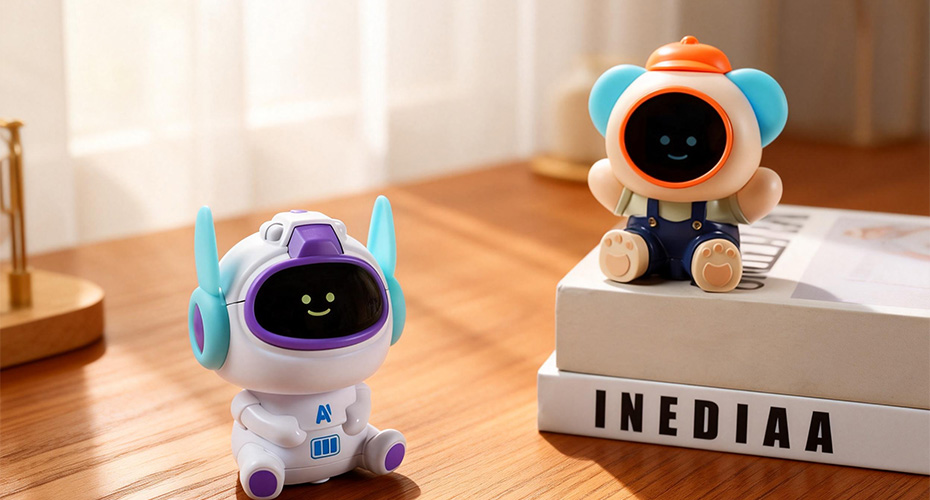
However, data alone does not create intelligence. The second stage is memory, and this is where things become interesting.
A well-designed AI robot toy does not treat every conversation as isolated. Instead of forgetting yesterday’s interaction, it builds structured memory layers. There is short-term memory, which helps it maintain context within one conversation. If a child says, “I saw a big dog today,” and later adds, “It was brown,” the robot connects those details.
Then there is long-term memory, which shapes companionship. If the child once said, “My favorite color is blue,” and the robot brings it up weeks later during a game, that moment feels surprisingly personal. It is no longer just a device responding to commands. It feels like a companion that remembers.
Memory also helps the AI robot toy avoid repetition fatigue. Children quickly lose interest if they hear the same story again and again. With structured memory tracking what has already been told, which learning modules were completed, and which achievements were unlocked, the experience becomes progressive rather than repetitive. The robot evolves along with the child’s curiosity.
Now we reach the third layer: personalization, which is where technology meets storytelling.
Personalization is not only about calling a child by name. It is about adjusting content depth, emotional tone, and interaction style. If the system detects that a child is more responsive to challenge-based tasks, it may introduce missions or achievement badges. If another child prefers calm storytelling and gentle conversation, the AI robot toy may shift into a softer narrative style.
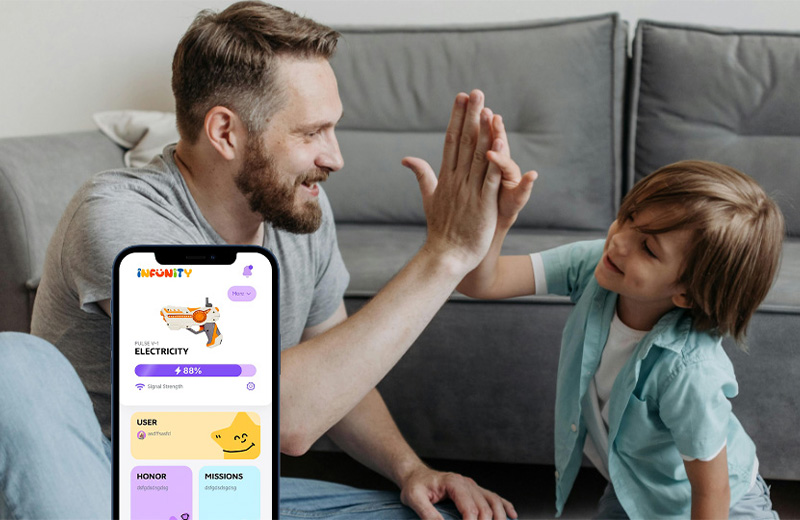
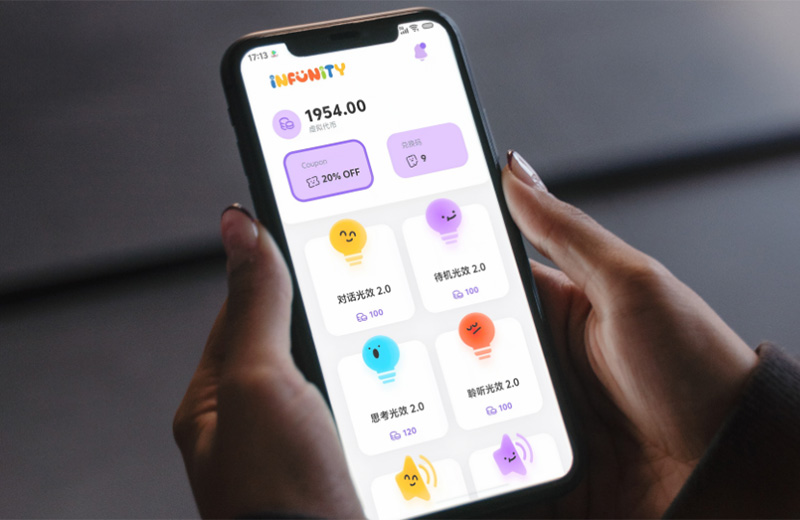
Some advanced AI robot toy systems also integrate app synchronization, allowing parents to see usage reports while enabling the robot to adjust learning paths. If a child shows strong interest in language learning, the toy might introduce bilingual vocabulary during object recognition. If the child enjoys scanning everyday items around the house, the robot can turn that habit into small educational adventures.
What makes this powerful is not just the code. It is the emotional loop. A child speaks. The robot responds in a slightly more tailored way. The child feels understood and speaks more. That additional interaction feeds new data into the system. Gradually, a feedback cycle forms, and the AI robot toy becomes more aligned with that specific child.
Of course, responsible design matters. For children between 3 and 8 years old, interaction should support imagination rather than replace human connection. A good AI robot toy is not designed to isolate kids from the real world. Instead, it should encourage curiosity about real objects, real language, and real problem-solving. For example, scanning a household object and learning about it does not replace hands-on exploration. It enhances it.
In the end, how AI robots learn from children’s daily interaction is not magic. It is a structured journey from input to memory to personalization. Behind every responsive answer is a pattern recognized. Behind every remembered preference is stored data organized with purpose. And behind every personalized adventure is a system designed to grow alongside a child’s development.
The most successful AI robot toy is not the one that talks the most. It is the one that listens carefully, remembers meaningfully, and adapts thoughtfully over time.
 Recommended for You