

In recent years, conversations about education have shifted dramatically. Parents are no longer satisfied with toys that simply entertain, and schools are no longer focused only on memorization and test scores. What we are seeing now is a deeper interest in how children actually learn, and that naturally brings us back to one essential idea: play. Interestingly, as technology evolves, AI toys are becoming part of this conversation in a very real way.
From Play Theory to Modern Learning
Play theory has been around for decades, and educators from Piaget to Vygotsky have emphasized that children learn best when they are actively engaged. When a child pretends to be a hero, builds a tower, or talks to an imaginary friend, they are not “just playing.” They are testing ideas, building language skills, understanding cause and effect, and practicing social interaction.
Traditional toys have supported this process in simple but powerful ways. Blocks teach spatial awareness, dolls encourage empathy, and puzzles strengthen logic. However, these tools are static. They do not respond, adapt, or guide. They wait for the child to lead.
This is where AI toys begin to reshape the landscape of play-based learning. Instead of replacing imagination, well-designed AI toys can respond to it. When a child asks a question, the toy can answer. When a child scans an object or interacts in a new way, the toy can provide feedback. The experience becomes dynamic rather than one-directional.
How AI Toys Support Learning Without Taking Over
There is often a concern that AI toys might make play too structured or too digital. That is a fair question, especially in a world where screens already dominate so much of children’s time. The key difference, however, lies in design.
The best AI toys are not built to lecture children. They are built to interact. Instead of delivering long lessons, they respond to curiosity. If a child scans an object and hears a short explanation, that moment connects the real world to knowledge. If the toy asks a follow-up question or tells a related story, the child is gently encouraged to think further.
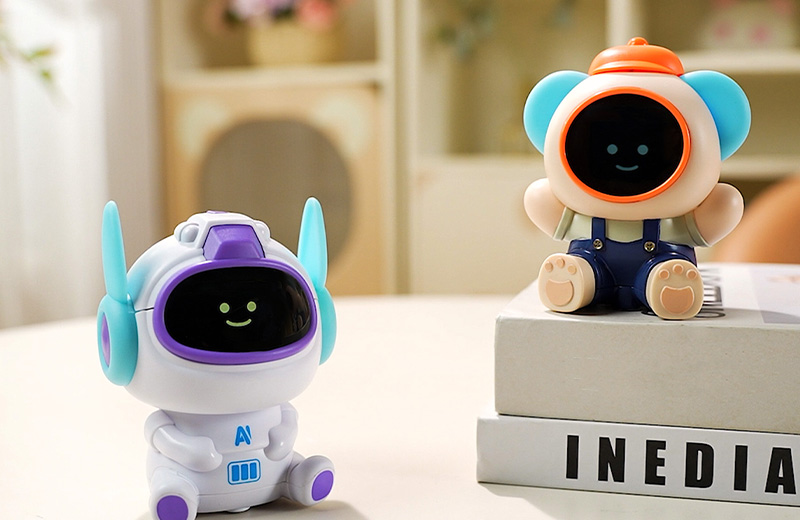
In this way, AI toys act as learning companions rather than instructors. They can adapt to a child’s language level, remember previous interactions, and introduce new topics over time. That adaptability is something traditional toys simply cannot offer.
For example, in language development, repetition is important, but repetition must feel meaningful. An AI toy can introduce new vocabulary in context, respond when a child mispronounces a word, and even switch languages to encourage bilingual exposure. This kind of responsive support aligns closely with play theory because it builds on what the child is already doing.
AI Toys in the Classroom
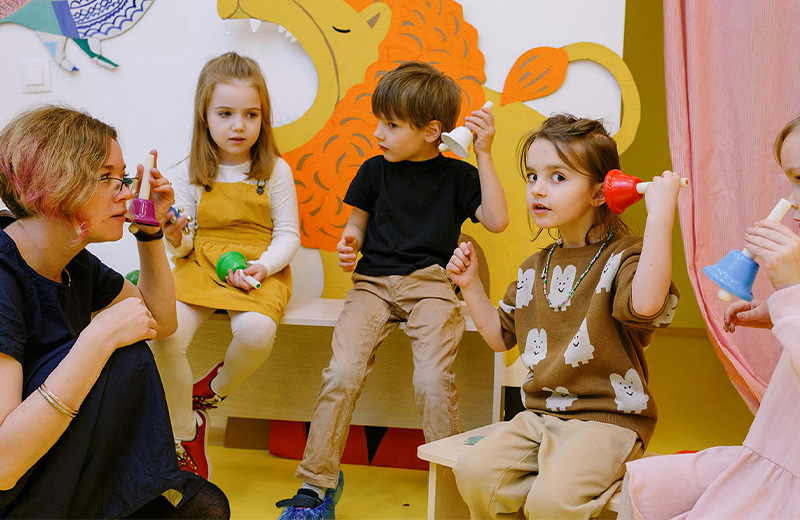
In classrooms, play-based learning is increasingly recognized as essential in early education. Teachers often struggle with balancing curriculum requirements and keeping children engaged. AI toys can serve as supportive tools in this environment, especially in small group activities.
Imagine a reading corner where children interact with a smart companion that tells continuous stories instead of repeating the same short script. The toy can ask questions about the plot, encourage prediction, or introduce related knowledge. This turns passive listening into active participation.
In STEM-focused classrooms, AI toys that combine physical interaction with intelligent feedback can also make abstract concepts more concrete. When children see cause and effect through sound, light, or movement, the learning becomes embodied rather than theoretical.
Importantly, AI toys in classrooms should never replace teachers. Instead, they function as assistants that extend engagement. Teachers guide the learning objectives, while AI toys provide interactive reinforcement. When used thoughtfully, this partnership can make lessons more immersive and less rigid.
AI Toys at Home: Extending Learning Naturally
At home, the role of AI toys becomes slightly different. Parents often look for tools that keep children engaged while also offering developmental value. However, they also worry about screen addiction and overstimulation.
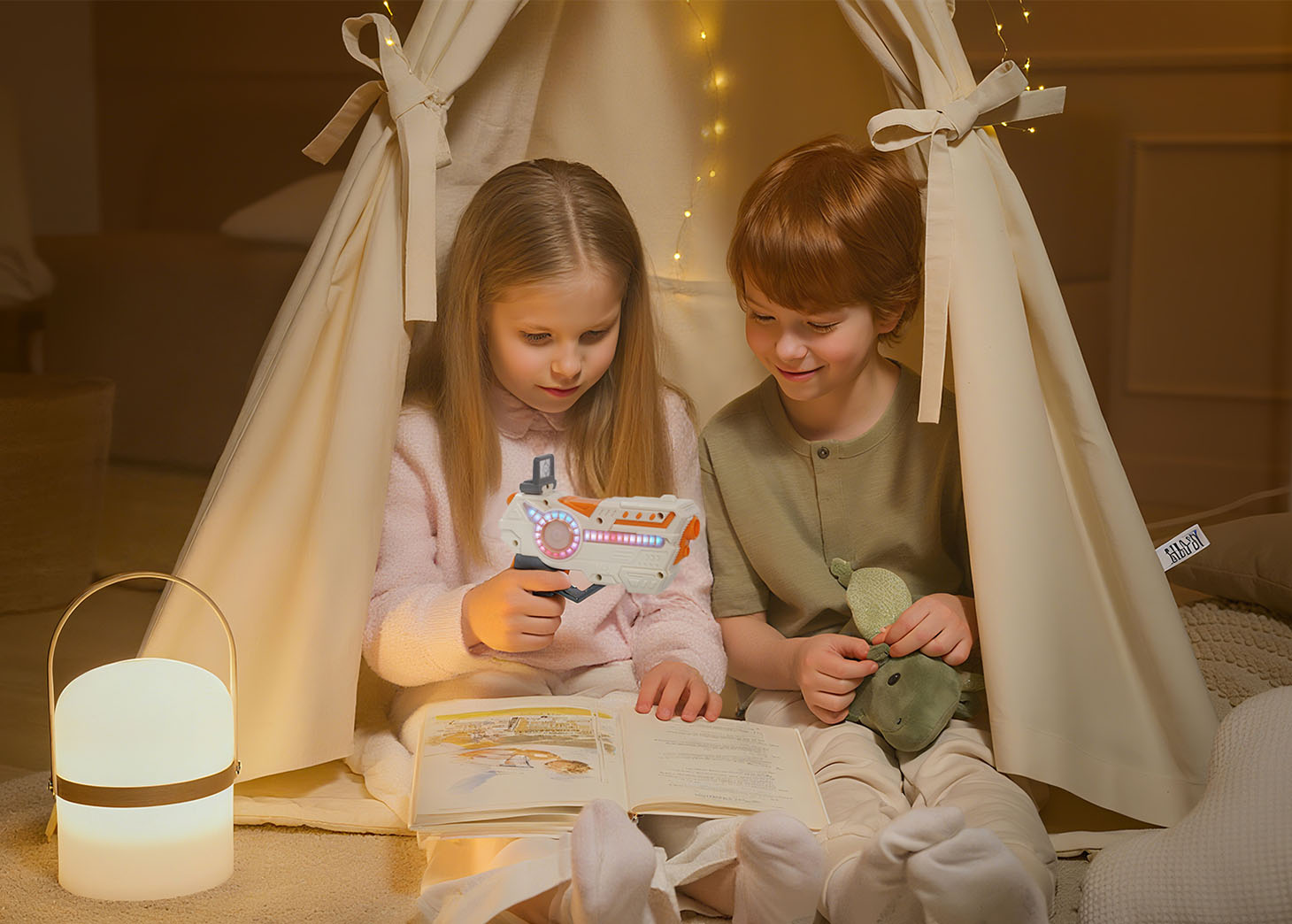
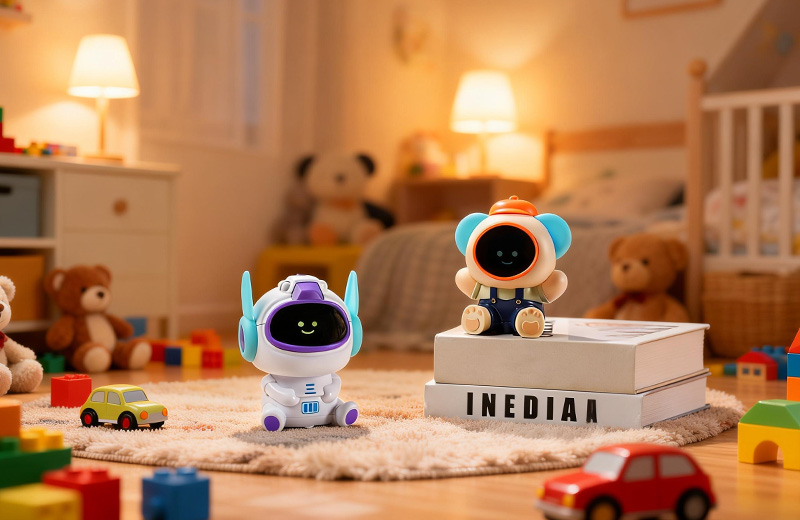
AI toys designed for home environments can bridge that gap by combining physical play with intelligent interaction. A toy that encourages children to move, scan objects around the house, or complete daily tasks transforms ordinary environments into learning spaces. Instead of sitting in front of a tablet, the child is exploring their surroundings.
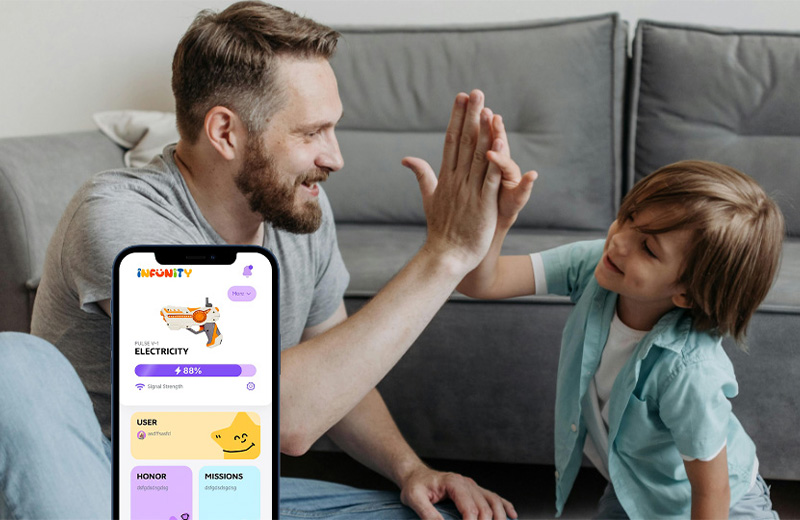
Some AI toys also provide parent reports, offering insight into how the child interacts, what topics interest them, and how often they engage. This creates opportunities for deeper parent-child conversations. When parents understand what excites their child, they can build on that interest in real life.
Moreover, AI toys with long-term memory can grow alongside the child. Rather than feeling repetitive after a few weeks, they evolve. Stories can continue, achievements can accumulate, and new challenges can be introduced gradually. This supports sustained engagement, which is crucial for meaningful learning.
The Future of Play-Based Learning
Looking ahead, the future of play-based learning will likely be a blend of traditional imagination and intelligent support. We will not abandon plush toys, building blocks, or role-play. Those are timeless. What will change is how interactive and responsive toys become.
AI toys are not about turning childhood into a high-tech experiment. They are about amplifying curiosity. When designed responsibly, they encourage exploration, conversation, and creativity rather than passive consumption.
As education continues to move away from rote memorization and toward critical thinking, problem-solving, and emotional intelligence, tools that adapt to each child’s pace will become increasingly valuable. AI toys, when aligned with play theory and supported by thoughtful adult guidance, can become part of that evolution.
In the end, the goal is simple. Children should feel that learning is natural, joyful, and empowering. If AI toys can help create that bridge between fun and knowledge, then they are not just a trend. They are part of the future of play-based learning.
 Recommended for You