


build a smart toy that feels fun, interactive, and genuinely engaging—not just another device that talks back.
What we didn’t expect was how quickly users began to treat PULSE V-1 as more than a toy.
Listening to Real Feedback from Real Users
After customers spent some time with PULSE V-1, we started receiving very consistent feedback:
“My kid talks to it like it’s a character, not a gadget.”
“It feels like it could become a little companion, not just a blaster.”
“What if this intelligence lived inside a robot… or even a pet?”
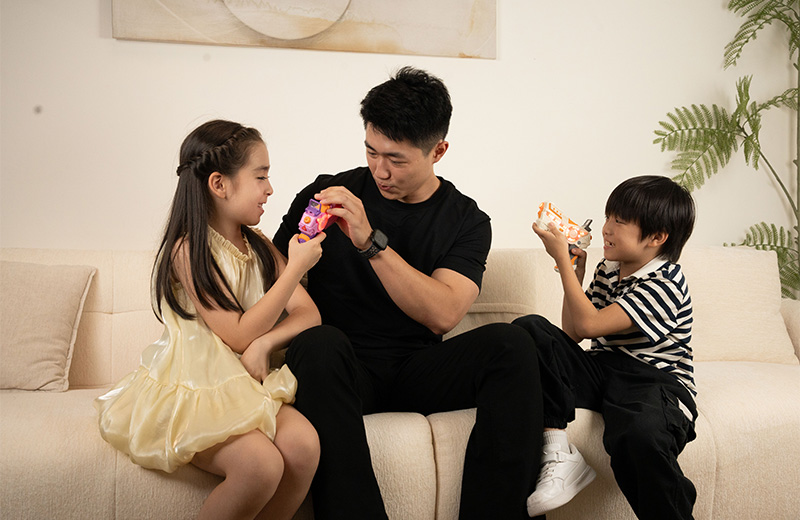
Some parents also mentioned that their children were less focused on the shooting itself over time, and more interested in:
scanning objects,
asking questions,
listening to stories,
and responding emotionally to the voice and personality of the AI.
That feedback became a turning point for us.
From a Product to a Platform Mindset
Based on these conversations, our internal product thinking shifted.
Instead of asking
“What’s the next feature for PULSE V-1?”
we started asking
“What else can this intelligence become?”
PULSE V-1 proved that:
the AI core works,
the voice interaction feels natural,
and users are open to long-term emotional engagement.
That opened the door to a much bigger idea:
extending the same intelligent system into robots and smart pets.
Exploring Robots & Smart Pets with the Same AI Brain
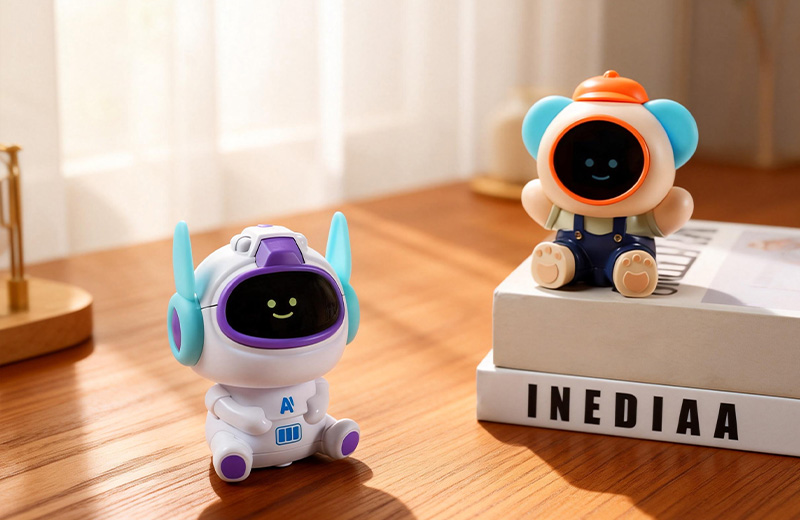
Many customers told us they were excited about seeing the same intelligence inside:
a desktop robot,
a companion-style pet,
or even a soft, plush-based interactive character.
What interested them most wasn’t hardware complexity—it was personality continuity.
They liked the idea that:
the “character” could grow with the child,
memory and preferences could carry over,
and the interaction wouldn’t reset every time they switch products.
This feedback directly influenced our roadmap:
modular AI architecture,
reusable knowledge bases,
customizable personalities for different forms (robot, pet, toy).
Ongoing Conversations, Growing Interest
What’s especially encouraging is that this didn’t end as a one-time survey.
We’re still actively in touch with several of these customers:
sharing early concepts,
discussing robot and pet prototypes,
and collecting feedback before anything goes to mass production.
Many of them have clearly expressed interest in:
future robot versions,
pet-style companions,
and long-term content subscriptions.
For us, that ongoing dialogue is just as valuable as any technical breakthrough.
Looking Ahead
PULSE V-1 started as a smart toy.
Customer feedback helped us see it as the first form of a much larger ecosystem.
Robots, pets, and future companions aren’t separate ideas—they’re natural extensions of what users already connected with.
And we’ll keep building the next steps the same way we built PULSE V-1: by listening first, then designing.